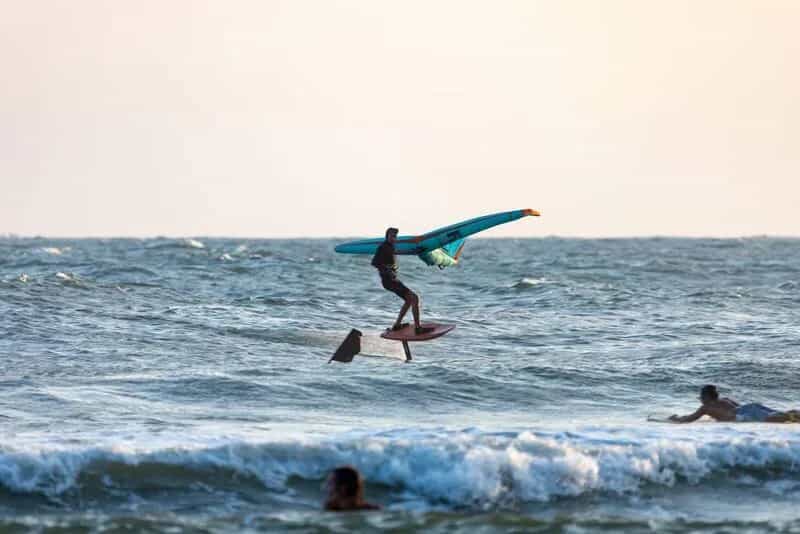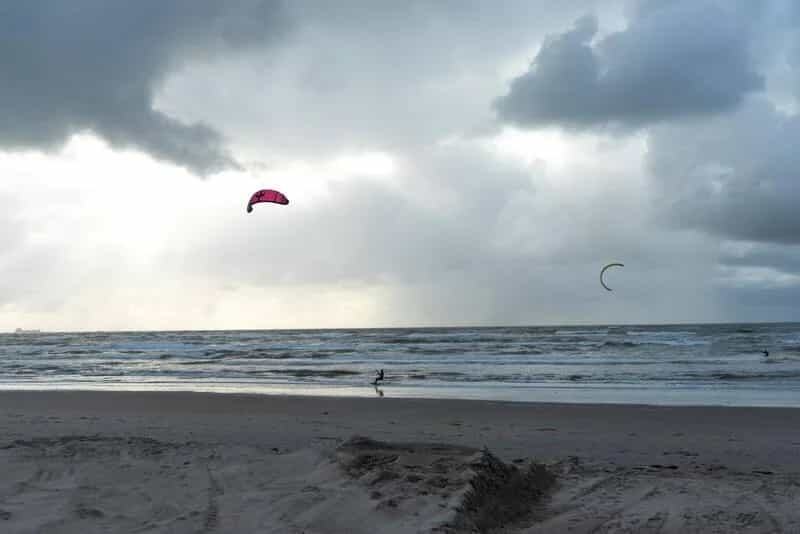


Firewire is committed to advancing surfboard performance through refinements to shape combined with new materials and construction techniques.
Interview: Firewire shaper Nev Hyman
Approximately how many surfboards have you shaped?
That's a tougher question to answer than you'd think. The question for me is how many surfboards I have designed over 38 years. I hand shape, finish pre-shapes off a pantograph, or CAD/CAM* (which is pure design where there is zero shaping).
The actual number has to be at least 80,000 and could be as high as 160,000 based on the following:
1973 to 1988 - 10 to 30 full hand shapes a week = approx 15,000.
1989 to 2004 - 50 to 100 pantograph pre-shapes a week = approx 60,000'
2005 to 2011 - 100 to 200 full CAD/CAM* shapes a week = approx 50,000.
What are the main influences in your designs today?
This may sound weird, but the Firewire design team influence me more than external shapers because Firewire is a combination of shape and technology. The unique materials and the way in which Firewires are made enable direct input from more than just the "Guru" shaper. Some of Firewire's most popular designs have evolved from input by crew who don't shape! An idea can be designed as a 3D model and manufactured exactly to spec by our unique system. Just wait and see what Chuy Reyna (ex WCT pro and now Team and marketing manager) has got in store for you!
Tell us about the most rewarding surfboard design you have been involved with in your career.
Around 1991 I designed a board called the Retro Rocket which was to be ridden 2 to 4" shorter than your normal board. It had that fuller retro nose with a not too wide clean round tail and contemporary rocker and foil. It was similar to the Kelly's Wizard Sleeve. They went insane, so much so that WCT team rider Danny Wills wanted to compete on his 5'9". Guy Walker, a young Rasta and others surfed theirs almost exclusively. 20 years later, with some tweaking by me and Firewire designer Dan Mann, the Dominator/Spitfire model was born. This board is undoubtedly the most popular board in the Firewire range.
Where do you see the future of surfboard design headed?
Adjustable, controlled and sometimes asymmetrical flex. To be able to tune your board to your style, and to waves most surfed. Already in our R+D pipeline! The shorter is better revolution is in full swing now. Understanding volume in liters, and how this impacts board dimension choice. Further R+D on materials that will alter and improve the performance and durability of surfboards.
Voor FireWire nieuws uit de Benelux ga je naar FireWire Benelux facebook page
binnenkort word er namelijk een nieuwe toevoeging verwacht aan de Kiteboard range......
Interview: Firewire shaper Nev Hyman
Approximately how many surfboards have you shaped?
That's a tougher question to answer than you'd think. The question for me is how many surfboards I have designed over 38 years. I hand shape, finish pre-shapes off a pantograph, or CAD/CAM* (which is pure design where there is zero shaping).
The actual number has to be at least 80,000 and could be as high as 160,000 based on the following:
1973 to 1988 - 10 to 30 full hand shapes a week = approx 15,000.
1989 to 2004 - 50 to 100 pantograph pre-shapes a week = approx 60,000'
2005 to 2011 - 100 to 200 full CAD/CAM* shapes a week = approx 50,000.
What are the main influences in your designs today?
This may sound weird, but the Firewire design team influence me more than external shapers because Firewire is a combination of shape and technology. The unique materials and the way in which Firewires are made enable direct input from more than just the "Guru" shaper. Some of Firewire's most popular designs have evolved from input by crew who don't shape! An idea can be designed as a 3D model and manufactured exactly to spec by our unique system. Just wait and see what Chuy Reyna (ex WCT pro and now Team and marketing manager) has got in store for you!
Tell us about the most rewarding surfboard design you have been involved with in your career.
Around 1991 I designed a board called the Retro Rocket which was to be ridden 2 to 4" shorter than your normal board. It had that fuller retro nose with a not too wide clean round tail and contemporary rocker and foil. It was similar to the Kelly's Wizard Sleeve. They went insane, so much so that WCT team rider Danny Wills wanted to compete on his 5'9". Guy Walker, a young Rasta and others surfed theirs almost exclusively. 20 years later, with some tweaking by me and Firewire designer Dan Mann, the Dominator/Spitfire model was born. This board is undoubtedly the most popular board in the Firewire range.
Where do you see the future of surfboard design headed?
Adjustable, controlled and sometimes asymmetrical flex. To be able to tune your board to your style, and to waves most surfed. Already in our R+D pipeline! The shorter is better revolution is in full swing now. Understanding volume in liters, and how this impacts board dimension choice. Further R+D on materials that will alter and improve the performance and durability of surfboards.
Voor FireWire nieuws uit de Benelux ga je naar FireWire Benelux facebook page
binnenkort word er namelijk een nieuwe toevoeging verwacht aan de Kiteboard range......